
What is folic acid?

Updated: Sep 4
Folic Acid: The Essential B Vitamin for Your Health
Folic acid is a small but essential B vitamin that often goes unnoticed. However, it plays a major role in keeping the body healthy. It is the synthetic form of vitamin B9, known as folate, which is naturally found in foods like leafy greens, fruits, and beans. Your body depends on folate to make and repair DNA, produce healthy red blood cells, and support normal cell growth. Because folate is water-soluble and not stored in large amounts, you need a steady supply from your diet or supplements. Folic acid is commonly added to fortified foods and used in vitamins because it is easier for the body to absorb. This makes it a reliable way to meet daily needs, especially during times of rapid growth like pregnancy.
Why is Folic Acid Important?
Folic acid plays a crucial role in early pregnancy. It significantly reduces the risk of neural tube defects such as spina bifida, which develop in the first few weeks when many people do not yet know they are pregnant. For this reason, healthcare professionals recommend that anyone who could become pregnant take a daily folic acid supplement.
Beyond pregnancy, folic acid also helps protect heart health. It does this by breaking down homocysteine, a compound that can build up and contribute to cardiovascular issues if levels get too high. Additionally, it supports the production of neurotransmitters, making it important for brain health and mood regulation. When folate levels are low, people may experience symptoms like fatigue, irritability, and difficulty concentrating.
Natural Food Sources of Folate
You can find folate in a wide range of everyday foods. Some of the richest sources include:
Dark leafy greens such as spinach and kale
Beans, lentils, and split peas
Avocado
Citrus fruits such as oranges and grapefruit
Asparagus
Brussels sprouts
Fortified breads, cereals, and pasta
What is the Daily Recommended Intake of Folic Acid?
Many people meet these recommendations through a balanced diet. However, folic acid is also found in most multivitamins and prenatal vitamins. This makes it easy to maintain adequate levels.
Age or Life Stage | Daily Recommended Amount |
Infants up to 12 months | 65 to 80 micrograms |
Children ages 1 to 13 | 150 to 300 micrograms |
Teens ages 14 to 18 | 400 micrograms |
Adults | 400 micrograms |
Women of childbearing age | 400 micrograms |
Pregnant individuals | 600 micrograms |
Breastfeeding individuals | 500 to 600 micrograms |
What is Folate Deficiency?
Even though folic acid is widely available in foods and supplements, some people are at higher risk for low folate levels. Conditions that affect digestion, such as Crohn’s disease or celiac disease, can make it harder for the body to absorb nutrients. Heavy alcohol use, smoking, pregnancy, certain medications, and limited intake of fruits and vegetables can also contribute to deficiency. Symptoms vary but may include low energy, pale skin or anemia, mouth sores, irritability, poor appetite, and in more severe cases, neurological changes. A simple blood test can check folate levels if deficiency is suspected.
Is Folic Acid Safe?
For most people, folic acid is very safe and well tolerated. Because it is water-soluble, the body excretes any extra through urine. The main precaution is avoiding very high doses unless recommended by a healthcare provider. Excessive amounts can mask a vitamin B12 deficiency.
Medications and Folic Acid
Certain medications can lower folate levels over time. These include some anticonvulsants, methotrexate, long-term antibiotics, and specific diabetes medications. If you take any of these, your healthcare provider may recommend monitoring your folate status or adding a supplemental form to help maintain healthy levels.
Vegan-Friendly Folic Acid Supplements

NOW Folic Acid 800 mcg with Vitamin B-12,250 Tablets 
Healthfare Folic Acid 400mcg 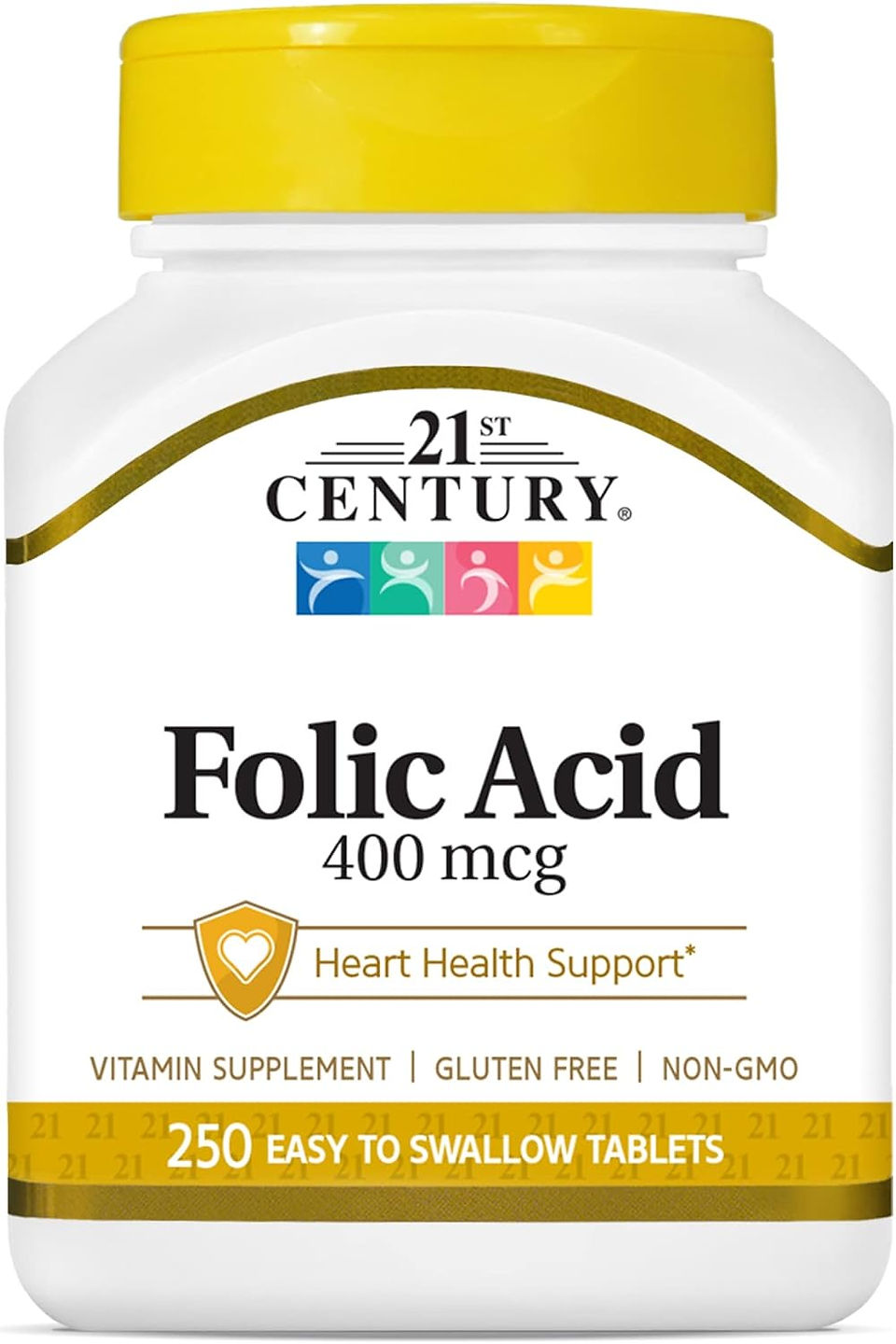
21st Century Folic Acid 400 mcg Tablets 
Swanson Real Food Folic Acid 
Doctor's Best Fully Active Folate
Conclusion
Folic acid is a simple but essential vitamin that supports your overall health. It contributes to cellular function, brain health, and heart wellness. Although it is especially important during pregnancy, everyone benefits from maintaining strong folate levels. With the right foods, a reliable supplement, and consistent habits, it is easy to keep your folate intake where it needs to be.
Co-authored by: Christian Jauregui
Disclaimer: The product and/or information provided on Pill Clarity is of a general nature and is not intended to be a substitute for professional medical advice, diagnosis, or treatment. We do not lab test the products to confirm that they are free from animal ingredients, and it is possible that the formulation and ingredients could have changed. Always seek the advice of your physician or other qualified healthcare provider with any questions you may have regarding a medical condition or product. The information provided in this post is accurate and up to date as of the date it was written. However, please note that circumstances and facts may change over time, and new information may become available that could alter the accuracy or relevance of the content. We encourage readers to verify and cross-reference any information provided here with trusted sources or consult relevant professionals for the most current and accurate updates.
Get unlimited access to our pharmacist-led Medical Information Service and receive personalized support when you need clarity about medication ingredients.


The explanation of folic acid is clear and easy to follow, especially for readers who may be unfamiliar with its role in nutrition. Articles that break down basic health topics in straightforward language can be useful when researching a subject. I also came across GTA Vice City browser while browsing other online projects.
This article explains folic acid in a clear and practical way, especially its importance for pregnancy, healthy cells, and overall wellbeing. I also liked the easy food examples and safety information. After reading it, I enjoyed playing basketball legends game for some fun, which was a nice break from learning about nutrition and health today.
I enjoyed how clearly this article explains why folic acid is so important for everyday health and especially during pregnancy. On a lighter note, when I have some free time, Subway Surfers Online is an easy way to unwind and have a bit of fun.
The https://omega-xl.pissedconsumer.com/customer-service.html I had the pleasure of interacting with the customer service team at Omega XL, and I couldn't be happier with my experience! From the moment I called, the representatives were friendly, knowledgeable, and genuinely eager to help. They took the time to answer all my questions and made me feel valued as a customer. I was impressed by their promptness and the way they went above and beyond to ensure I was satisfied with my purchase. It's refreshing to encounter such dedicated support, and it truly enhances my overall experience with their vitamins and supplements. I feel confident in my choice, knowing that Omega XL stands behind their products with such excellent service!